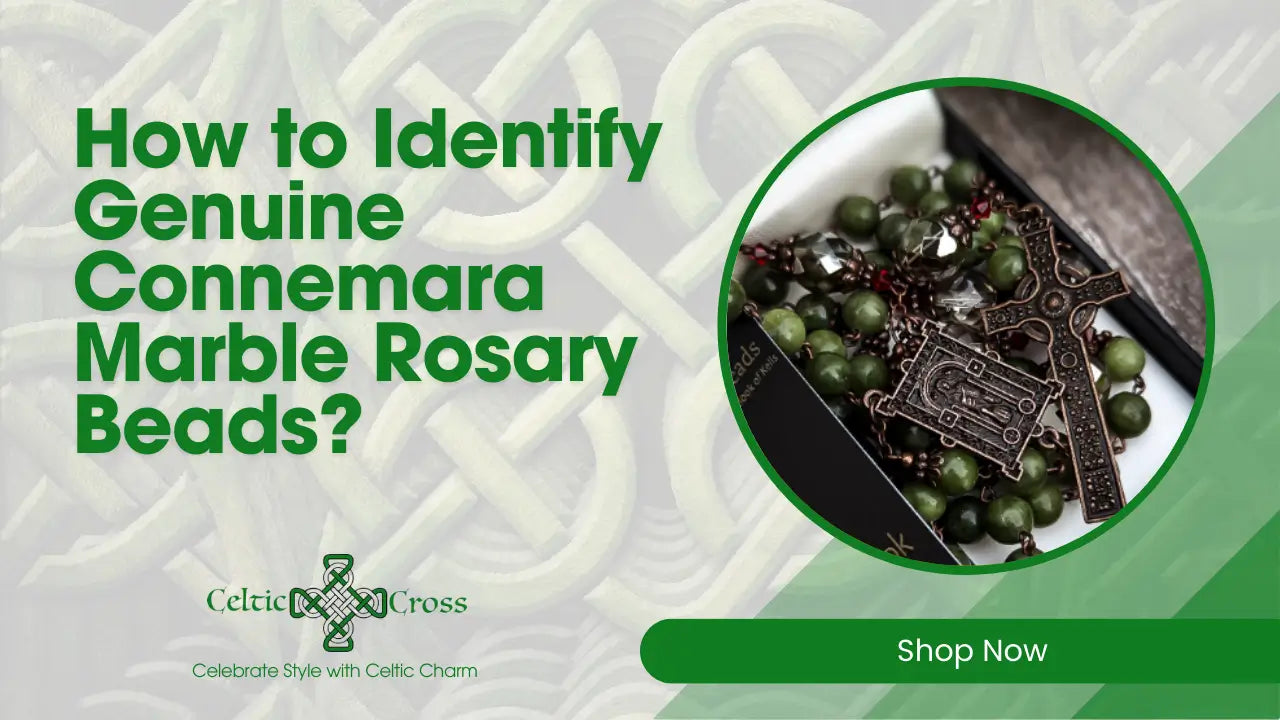
How to Identify Genuine Connemara Marble Rosary Beads?
Identifying genuine Connemara marble rosary beads is essential for collectors and spiritual practitioners, ensuring authenticity and value. This unique variety of marble, known for its distinctive green color, originates exclusively from Ireland, making it a sought-after material in crafting rosaries. Discerning the real from the imitation involves understanding specific characteristics of Connemara marble, such as texture, color variations, and weight. With an increase in counterfeit products, gaining knowledge about these key features becomes crucial for anyone looking to invest in a Connemara marble rosary that embodies beauty and tradition.
What Is Connemara Marble Rosary?
Unique Characteristics
Connemara marble is unique. It's only found in Ireland, making each rosary unique.The color varies from light to dark green, so no two rosaries are the same. The patterns in the marble add beauty and depth.
Spiritual Significance
Many find spiritual meaning in a connemara marble rosary. They believe it connects them to Ireland's natural beauty and history. It's often used in prayer and meditation. People feel peace and serenity when holding it.
Craftsmanship
Artisans handcraft these rosaries with care. They select each piece of connemara marble for its quality and beauty. Crafting a rosary involves skill and patience. The result is a durable, beautiful object of faith.
Pros and Cons
There are several pros to owning a Connemara marble rosary:
- Unique: No two are alike.
- Beautiful: Its natural green shades are striking.
- Durable: Made from hard stone, it lasts long.
However, there are cons as well:
- Pricey: Due to its uniqueness and craftsmanship.
- Weight: Heavier than typical bead materials.
How to Distinguish Real Connemara Marble Rosary Beads from Imitations?
 Identifying authentic Connemara marble rosary beads involves observing unique characteristics. Connemara marble, known for its beauty and durability, has specific features that set it apart from imitations. Firstly, examine the color variation. Genuine Connemara St. Patrick Medal showcases a range of green shades, from pale to dark greens interlaced with white or grey lines. Imitations often need more depth and variety in coloration. Secondly, consider the temperature and texture of the beads. Real Connemara marble feels cool to the touch and retains this coolness even when held for a while. Its surface is smooth but not overly polished, allowing you to feel slight natural variations if you run your fingers across it.
- Look at the color variation.
- Feel for temperature consistency.
- Check texture nuances.
Authenticity tests also include examining weight and sound. Connemara marble has a distinctive heft, heavier than most imitation materials used for rosary beads like plastic or glass composites. When tapped gently against another bead or a hard surface, natural Connemara marble produces a unique clinking sound distinct from hollow-sounding fakes. By keeping these points in mind:
- Inspect visual attributes closely.
- Conduct tactile assessments thoroughly.
- Perform auditory checks carefully,
You can confidently differentiate between an authentic Connemara marble rosary and lesser imitations, ensuring your purchase holds both spiritual significance and material authenticity.
What Spiritual Significance Is Attached to Connemara Marble Rosaries?
Connemara marble rosaries are more than just objects of devotion. They carry deep spiritual significance for many believers. This unique type of rosary is made from Connemara marble, a natural stone found only in Ireland. Its green color symbolizes the lush landscapes of Ireland, often referred to as the "Emerald Isle." For those of faith, these rosaries serve as a tangible connection to Irish heritage and spirituality. The use of Connemara marble rosary beads in crafting rosary beads adds an extra layer of meaning. The stone is believed to embody tranquility, peace, and healing properties. Praying with a Connemara marble rosary can provide comfort and solace during distress or uncertainty. It's about reciting prayers and connecting with the calming energy that the marble represents. Incorporating St Patrick medals into these rosaries further enhances their spiritual value. St Patrick is one of Ireland's most beloved saints, known for bringing Christianity to Irish shores. His medal is often featured alongside Connemara marble beads in these sacred items. This combination makes the rosary a prayer tool and a protective amulet with St Patrick's blessings.
-
Pros:
- Serves as a link to Irish heritage.
- Offers tranquility through its natural beauty.
- Provides spiritual protection via St Patrick medals.
-
Cons:
- Authenticity can be hard to verify without proper knowledge (as discussed previously).
Praying with such a significant object can deepen one's faith and bring personal solace amidst life's challenges.
Where to Find Authentic Connemara Marble Rosaries?
 Finding an authentic Connemara marble rosary can be a journey of both spiritual and cultural discovery. The unique green stone, known for its connection to the Irish landscape, makes these rosaries beautiful and deeply meaningful. For those seeking genuine Connemara marble, several trusted sources stand out. Local Irish craft shops often carry these precious items, providing a direct link to their origin. Specialty religious stores may offer a selection of high-quality rosaries made from this distinctive marble. Online marketplaces are another option, but they require careful vetting to ensure authenticity. When shopping online:
- Check seller reviews and ratings.
- Look for certificates of authenticity or provenance.
- Compare photos closely to verify the characteristic marbling.
Authentic Connemara marble comes exclusively from Ireland's rugged west coast. This ensures that each piece carries with it the essence of its homeland. Craft fairs and markets in Ireland frequently feature artisans who specialize in creating items from local materials, including Connemara marble. Here, you can directly engage with artisans and learn about making each rosary bead by bead. Remember:
- Not all green stone is genuine Connemara marble.
- Prices vary based on craftsmanship and detail.
- Purchasing directly from Irish artisans supports local communities.
What Connemara Marble Rosaries Symbolize in Irish Culture?
Connemara marble rosaries hold deep spiritual and cultural significance within Irish heritage. These unique rosaries are not just tools for prayer; they symbolize the rich tapestry of Ireland's history, landscape, and faith. Crafted from Connemara marble, a distinctive green stone native to Ireland, each piece connects the wearer to the Emerald Isle. The use of Connemara marble in crafting rosaries ties deeply with Irish identity. This natural stone is known for its array of green hues, mirroring Ireland's diverse landscapes. Thus, carrying or praying with a Connemara marble rosary reminds one of one's connection to Irish soil and ancestors. Moreover, these rosaries embody centuries-old traditions of craftsmanship and devotion. They represent a tangible link between present-day practices and the historical depth of Celtic spirituality. The intricate designs on Connemara marble rosaries reflect ancient Celtic symbols, reinforcing their cultural resonance.
-
Pros:
- Deeply symbolic of Irish culture
- Unique due to variations in marble
- Connects wearers to their ancestry
-
Cons:
- It can be more expensive than other types
In essence, owning or gifting a Connemara marble rosary goes beyond religious practice; it is an act that honors one's heritage and celebrates the enduring spirit of Ireland. Whether used for prayer or worn as a symbolic accessory, these pieces serve as constant reminders of home for those near and far from Ireland.
When Did Connemara Marble Rosaries Emerge as Souvenirs?
 Connemara marble rosary beads have a rich history in Ireland. They became popular souvenirs in the early 20th century. This was due to increased tourism and interest in Irish culture. People from around the world wanted a piece of Ireland's spiritual heritage. The use of Connemara marble St. Patrick Medal dates back centuries, yet its incorporation into rosaries is more recent. Craftsmen began using this unique stone for rosaries by the late 19th century, and the practice gained momentum as demand from tourists grew. Tourists sought these rosaries for their beauty and spiritual significance, and they appreciated their connection to Irish identity. The green color of Connemara marble is symbolic, too. It represents Ireland's lush landscapes and deep cultural roots. Thus, Connemara marble rosary beads became cherished keepsakes. These rosaries serve multiple purposes:
- They are tools for prayer and meditation.
- They act as symbols of faith.
- Tourists buy them as authentic Irish souvenirs.
Their popularity continues today among both locals and visitors alike.
Why Connemara Marble Rosaries Make Thoughtful Gifts?
Connemara marble rosary beads are unique. This natural stone has a rich green color, and each bead is different, making every rosary unique. These rosaries connect people to Ireland's beauty and history. They carry the essence of the Irish landscape, and the green hues reflect Ireland's vast meadows and hills. Giving a Connemara marble rosary as a gift is meaningful. It shows thought and care. It can be for faith, heritage, or beauty appreciation. People cherish these gifts for years. They often become family heirlooms passed down through generations.
-
Pros:
- Unique: No two beads are alike.
- Symbolic: Links to Irish culture and landscapes.
- Durable: Made from hard marble that lasts.
-
Cons:
- Price: It can be more expensive than regular rosaries.
Recipients feel a personal connection with these gifts, which are not just religious items but symbols of identity and heritage. It's perfect for those who value spirituality or have Irish roots. Even collectors of unique stones find them appealing.
When to Beware of Counterfeit Connemara Marble Rosary Beads?
Counterfeit Connemara marble rosary beads are a growing concern for buyers. Recognizing genuine from fake is crucial. The unique green coloration of actual Connemara marble is a key indicator. Authentic pieces often contain variations in hue, reflecting natural stone properties. Counterfeits may appear unnaturally uniform. Genuine Connemara marble comes exclusively from Ireland's west coast. If a seller cannot verify the origin, caution is advised. Authentic rosaries might include a St Patrick medal, symbolizing their Irish heritage and authenticity. Price can also signal counterfeits. Genuine Connemara marble rosaries typically command higher prices due to their craftsmanship and material quality. Enormously low-priced items should raise suspicion. To avoid counterfeits:
- Look for reputable sellers with positive reviews.
- Ask for proof of Irish origin.
- Expect slight color variations in the beads.
Conclusion
 The Connemara marble rosary embodies a rich tapestry of spiritual, cultural, and historical significance, making it more than just a religious artifact. Its unique blend of natural beauty and profound symbolism offers a tangible connection to Ireland's heritage and the devoutness of its people. Ensuring the authenticity of these rosaries protects this legacy, emphasizing the importance of discernment in purchasing genuine Connemara marble. These rosaries serve as conduits for prayer and as meaningful gifts that carry deep emotional and cultural resonance. The thoughtful selection of a Connemara marble rosary as a gift or personal item is an acknowledgment of its symbolic value and a tribute to the enduring spirit it represents. For those drawn to the allure of Connemara marble rosaries, it is crucial to engage with reputable sources that guarantee their authenticity. This diligence ensures that one not only acquires a piece of Ireland's natural beauty but also honors the spiritual and cultural essence encapsulated within each bead. As custodians of tradition and faith, individuals are encouraged to explore the rich narrative behind these cherished artifacts, fostering a deeper appreciation for their significance in both personal and collective contexts.