When Did Celtic Necklace Start Incorporating Gemstones?
Why does the Celtic necklace, with its intricate knots and symbols, captivate us so? The allure of these ancient designs has only deepened with the addition of gemstones, a practice that intertwines the mystique of Celtic culture with the timeless beauty of nature's treasures. This fusion marks a significant evolution in their aesthetic and significance, transforming them from mere adornments into potent symbols of heritage and personal identity. The story behind this enchanting combination is discovering how gemstones have elevated the Celtic necklace from traditional craftsmanship to an emblem of cultural pride and artistic expression.
Why Gemstones Became Part of Celtic Necklace Designs
Gemstones have been integrated into Celtic necklace designs for centuries, serving as decorative elements and symbols of power, protection, and healing. The Celts believed that specific stones could influence the well-being and fortune of the wearer, making these gemstone-embellished necklaces highly sought after. The use of gemstones in Celtic jewelry dates back to ancient times when these natural elements were considered gifts from the Earth, possessing mystical properties. They were thought to provide strength during battle, foster love and loyalty between partners, and even offer guidance in times of uncertainty. This deep connection between nature and spirituality is a hallmark of Celtic culture, reflected in their art and jewelry designs. Celtic cross necklace are a prime example of this tradition. Often adorned with gemstones like emerald, sapphire, or amber, each stone is carefully chosen for its specific meaning and energy. Emeralds symbolize hope and renewal, while sapphires represent wisdom and royalty. The intricate knotwork surrounding these gems adds another layer of symbolism, emphasizing the interconnectivity of all things. Moreover, the craftsmanship of these pieces ensured that each necklace was unique. Artisans would select stones for their beauty and ability to resonate with the wearer's intentions or needs. As such, a Celtic necklace became more than an accessory; it was a personal talisman.
How Gemstones Were Added to Celtic Necklace Craftsmanship?
 The integration of gemstones into Celtic necklace designs marked a significant evolution in craftsmanship. This transition was not just about aesthetics; it reflected deeper cultural and spiritual meanings. Gemstones were believed to carry unique powers and properties, making them natural choices for enhancing the significance of Celtic necklaces. Initially, these adornments were simple, focusing on intricate metalwork depicting nature, spirituality, and the intertwining of life's journey. As interactions with other cultures increased through trade and conquests, the Celts began incorporating gemstones into their designs. They admired the beauty and perceived mystical qualities of these stones. The addition of gemstones to Celtic necklaces also signified status and wealth. Only those of high standing could afford such luxuries as a Celtic cross necklace or a men's cross necklace adorned with precious stones. Artisans became adept at embedding gems into their work, creating visually stunning and spiritually meaningful pieces. They carefully chose stones that complemented their existing symbolism. For example, emeralds might signify rebirth or renewal, aligning with the themes of many Celtic designs. This thoughtful integration ensured that each piece was a work of art and a powerful symbol of the wearer's beliefs and aspirations. As a result, Celtic necklaces with gemstones became treasured heirlooms passed down through generations. Each piece told a story, connecting the past with the present through its design and the stories behind the chosen gemstones. This tradition continues today, with modern artisans drawing inspiration from ancient techniques to create pieces that are both beautiful and rich in meaning.
Why Gemstone Embellished Celtic Necklaces Gained Popularity?
Gemstone-embellished Celtic necklaces have grown in popularity due to their unique blend of historical significance and aesthetic appeal. These pieces not only carry the rich heritage of Celtic culture but also offer a touch of elegance with the incorporation of various gemstones. As discussed earlier, the addition of gemstones to Celtic necklace craftsmanship marked a significant evolution in their design, making them more appealing to a broader audience. The allure of these necklaces is not limited to their beauty alone. They hold a deep symbolic meaning for many wearers. For instance, men's cross necklace designs that incorporate Celtic patterns with gemstones are sought after for their spiritual significance alongside their masculine appeal. Similarly, an Irish necklace adorned with gemstones connects wearers to Ireland's cultural history and its natural landscape's mystical qualities. The popularity of these necklaces has grown as people seek more personalized jewelry options that reflect their identity and beliefs. Gemstones add an extra layer of personalization, allowing individuals to choose a stone that resonates with their personality or has a particular meaning. This aspect has made gemstone-embellished Celtic necklaces favored gifts for special occasions, symbolizing a deep connection between the giver and the receiver. Moreover, the craftsmanship of these pieces ensures that each Irish necklace is unique. Artisans skillfully integrate gemstones into traditional Celtic designs, resulting in one-of-a-kind modern and timeless pieces. This blend of tradition with personal expression through gemstones meets the contemporary consumer's desire for meaningful yet stylish accessories.
When Celtic Necklaces Began Featuring Gemstones?
 The integration of gemstones into Celtic necklaces marks a significant evolution in their design, reflecting aesthetic preferences and cultural and symbolic meanings. Historically, Celtic jewelry, including necklaces, primarily featured intricate knotwork and animal motifs. Around the 8th century, gemstones began to be incorporated into these designs, especially in high-status items. This transition was partly influenced by trade interactions with other cultures and the increasing availability of precious stones. Gemstone-embellished pieces like the Irish necklace and men's Celtic cross necklace became symbols of status and power. They were often used to signify wealth and rank within society. The choice of stones was not arbitrary; each gemstone held specific meanings and properties believed to benefit the wearer. For instance, emeralds were associated with foresight, and rubies with courage. As craftsmanship techniques advanced during the Medieval period, the incorporation of gemstones in Celtic necklaces became more refined. Artisans developed skills to cut stones more precisely, allowing for a greater expression of creativity and detail in jewelry design. This era saw an explosion in the variety of gemstone-adorned Celtic jewelry available, catering to religious figures who favored crosses embellished with sacred stones and laypeople who sought protection or health benefits from wearing specific gems.
Where to Find Celtic Necklaces with Gemstone Accents?
Finding Celtic necklaces with gemstone accents is easier today than ever, thanks to various sources ranging from online retailers to specialized jewelry stores. Several options stand out for those seeking unique Irish necklaces or a Celtic pendant that combines traditional designs with the sparkle of gemstones. Specialized jewelry stores, both online and physical locations, focus on authentic Celtic designs. These retailers often work with skilled artisans from Ireland and Scotland, ensuring each piece holds to traditional patterns while incorporating modern touches like gemstone accents. Stores like The Irish Store and Claddagh Jewelers offer extensive collections of Celtic necklaces, including options adorned with emeralds, sapphires, and other precious stones. For those who prefer seeing their jewelry in person before making a purchase, attending Celtic fairs and festivals can be a rewarding experience. These events showcase handcrafted Celtic pendants and glimpse the culture that inspires these beautiful pieces. When selecting your necklace, remember to check for authenticity and quality craftsmanship. Reputable sellers should provide information about the materials used and the origin of the gemstones.
What Types of Gemstones Were Used in Celtic Necklaces?
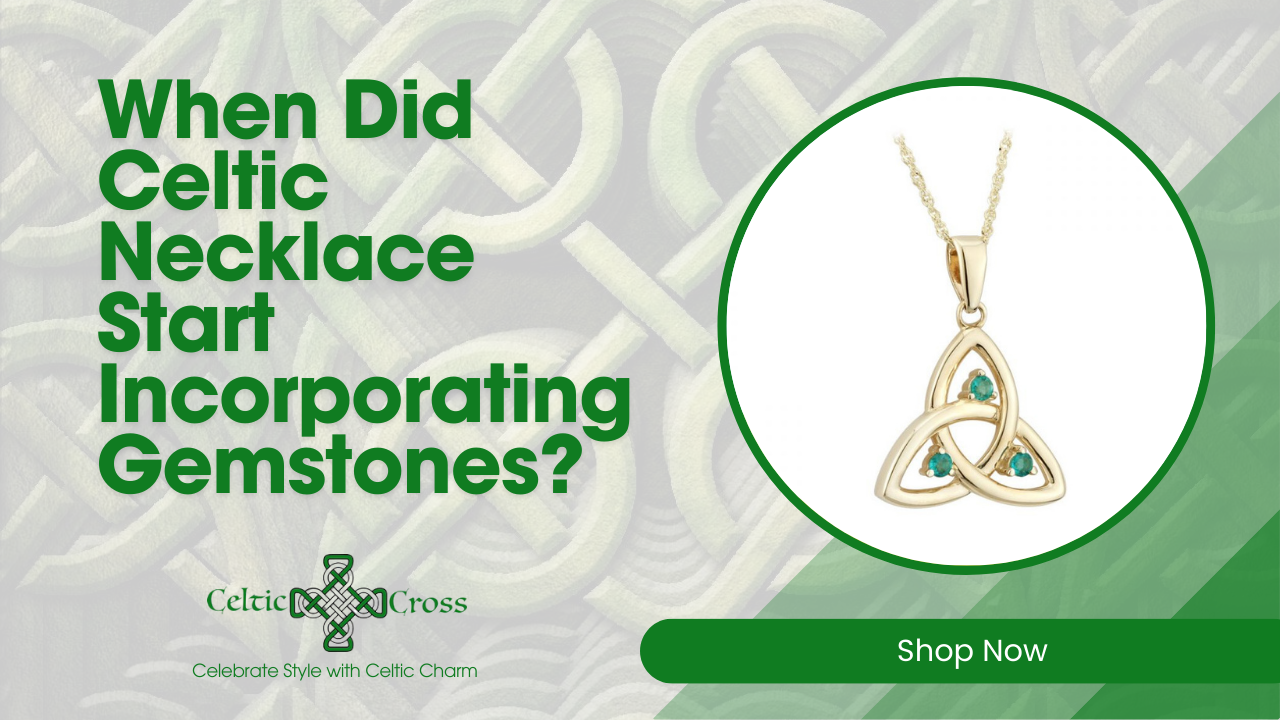
 Celtic pendants often feature a variety of gemstones that add beauty and carry significant meanings. Amber, Amethyst, and emerald stand out for their historical and cultural significance. Amber, known for its warm, golden hues, was prized by the Celts for its supposed healing properties and connection to the Earth. Amethyst, with its deep purple color, was believed to protect against negative thoughts and enhance spiritual awareness. Emeralds were equally valued for their vibrant green color, symbolizing rebirth and love. These gemstones were intricately incorporated into Celtic pendants, each piece telling a story or representing a specific Celtic legend or symbol. For instance, the triskelion or the triquetra might be surrounded by these gemstones to emphasize the design's meaning—be it strength, unity, or an eternal life cycle. Artisans also used less common stones, such as garnet and turquoise, in their work. Garnet's deep red signified courage and perseverance; turquoise was thought to offer protection and good fortune. Each stone choice in a Celtic necklace was deliberate, infusing the piece with layers of meaning beyond its aesthetic appeal. Finding these gemstone-adorned Celtic necklaces can be a journey into history itself. As discussed previously regarding where to find such pieces, artisans today still honor these traditional elements while incorporating modern touches. Thus, when selecting a Celtic pendant or necklace today, one is not just choosing jewelry but connecting with the rich tapestry of Celtic heritage.
How Gemstones Enhanced the Meaning of Celtic Necklaces?
Celtic necklaces, especially those designed for women, often featured intricate designs with deep symbolic meanings. The inclusion of gemstones in these pieces was not merely for aesthetic appeal but also to enhance their significance. Each gemstone carried its lore and attributes, creating powerful amulets and talismans combined with Celtic symbols. Emeralds, for instance, were highly valued in Celtic jewelry for their vibrant green hue, symbolizing rebirth and renewal. When set in a Celtic cross necklace for women, the emerald was believed to offer protection and encourage growth. Similarly, with their celestial blue, sapphires were thought to bring wisdom and spiritual insight. Their presence in a necklace could signify a quest for truth and understanding. Amethyst, another favored gemstone, was revered for its calming energies. It was often incorporated into necklaces to promote peace and ward off negative thoughts, making amethyst-studded Celtic necklaces famous gifts during times of stress or conflict. Moreover, clear quartz amplified the properties of other stones and symbols within the necklace. Known as the "master healer," clear quartz was believed to cleanse one's energy field and enhance mental clarity. Its versatility made it a staple in many Celtic designs. These gemstones did more than decorate; they transformed Celtic necklaces into vessels of intention. Wearers believed these adorned pieces could attract specific energies, offer protection, and guide them through life's challenges. Thus, the choice of gemstone was as much a personal statement as a cultural expression.
Why Specific Gemstones Held Significance in Celtic Necklace Design?
Celtic jewelry, especially necklaces, often incorporate gemstones for their beauty and deep symbolic meanings. These stones were believed to offer protection, healing, and a connection to ancient wisdom. The choice of gemstone in a Celtic cross necklace or any Celtic-themed jewelry was reasonable. Each stone held its unique significance, deeply intertwined with Celtic culture and beliefs. Amber, for example, was cherished for its connections to the Earth and was thought to possess healing properties. It was commonly used in Celtic cross necklace women's designs for its warm, protective energy. Emeralds symbolized rebirth and love, making them famous for pieces that celebrated life's new beginnings or eternal bonds. Similarly, garnets were valued for their strength and perseverance, reflecting the Celtic spirit's resilience. These gemstones did more than adorn; they served as amulets or talismans. They carried stories and intentions, making each piece of jewelry uniquely meaningful to its wearer and incorporating specific stones into Celtic necklaces, which allowed individuals to have a piece of their heritage and personal beliefs with them at all times. In crafting these intricate pieces, artisans carefully select each stone for its physical beauty and spiritual resonance with Celtic traditions. This thoughtful integration of gemstones ensured that every Celtic cross necklace womens was not just an accessory but a powerful symbol of identity and faith.
Conclusion
Gemstone-embellished Celtic cross necklaces aren't just jewelry pieces; they're a bridge to the rich tapestry of Celtic history and culture. You've seen how these gemstones elevate the craft, intertwining significance with beauty, and why they've been cherished through the ages. Each stone carries a story, a piece of lore that adds depth to its allure. Whether it's the protective qualities of agate or the healing power of Amethyst, your choice of a Celtic necklace speaks volumes about your connection to this ancient heritage. Now's the time to make that connection tangible. Explore the world of Celtic necklaces and find the gemstone that resonates with your spirit. Let these masterpieces not only adorn your neck but also anchor you to the mystic energies of yore. Your journey into Celtic tradition begins with a single step - choose your gemstone wisely and let it guide you through the annals of history.